
For anyone under 25 and living in London, the typical Friday night ritual involves ordering a burger, pizza or some curry on UberEats.
For you, a restaurant operator, Friday is one of the busiest days in the week fulfilling orders and making sure everything is cooked and delivered to your customers with no issues.
Behind the scenes, however, there is a trend bubbling on TikTok that makes you lose money no matter how much effort and care you put into preparing and dispatching your UberEats orders.
It's called the "UberEats Method" and it's costing restaurants just like yours thousands.
The food delivery hustle: the "Uber Eats refund method"
Go on TikTok and search for the tutorial videos. The videos are all set to a trending sound and explain a "life-hack": how to get a free meal on UberEats.
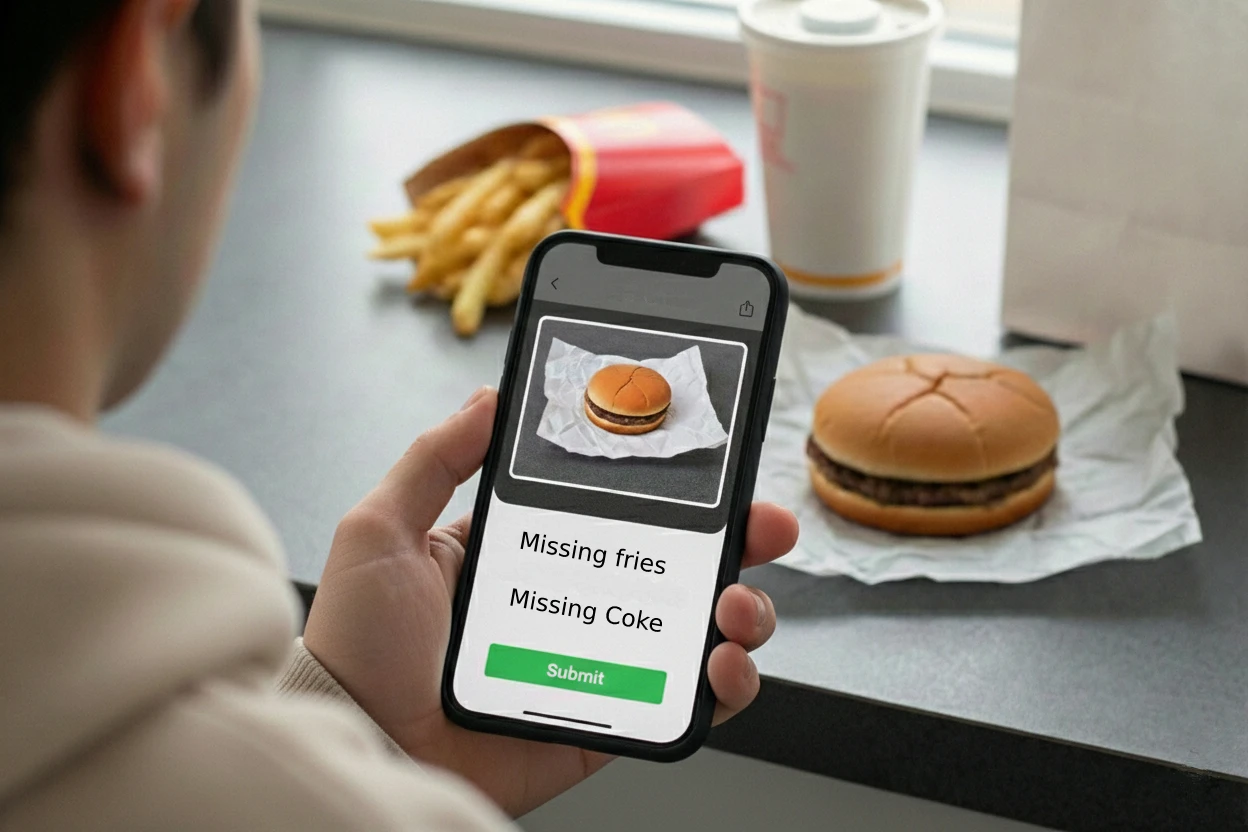
The core of the UberEats method is simple: exploit the delivery apps's automated, customer-friendly refund systems. The most common method involves claiming an item of the order was "missing".
Customers will take selective pictures of their order. "French fries are missing" can be all proven by not including the "missing" fries on the photo submitted to the app.
Anecdote from the front lines:
A friend who owns a late-night dessert store in London told me about a student they have nicknamed "The Pudding Bandit".
This customer ordered the exact same £26 meal deal four weekends in a row. Each time, he'd claim the pudding was missing.
On the fourth week, the restaurant manager, already suspicious, put a note on the receipt saying, "Enjoy the pudding, Bandit!". The customer still filed the "missing item" claim and got the full refund.
For the delivery apps, it is faster to refund the customer in full and move on than to launch a detailed investigation over a £30 order.
Who loses money when the customer submits a refund request? In most cases, it is the restaurant.
How the fraud happens (and why it hurts restaurants)
The logic is simple: the "Uber Eats refund method" customers assume they are "scamming" the giant tech corporations.
They believe these billion-dollar companies absorb the cost of the refund and pay for customer's "free lunch".
While the app handles the refund process, when the fault is deemed to be the restaurant's, such as a missing item, the cost is charged back to the restaurant. The burden of proof falls on the restaurant to prove that the dispatched order was complete.
1. A customer places an order for, say, a £27 classic meal (burger, fries, and a Coke).
2. Minutes after the delivery is complete, the customer goes into the app and claims for the "Missing Items" compensation.
3. The app grants a near-instant refund. The customer gets their partial, or majority of the spend back.
4. The refund amount is charged back from the restaurant's revenues with the platform's commission (which can be 25-35%) still due on the original sale. The restaurant pays a fee for food cooked, packaged, and handed over correctly.
5. The restaurant can then manually dispute the refund value before the refund dispute deadline (which varies on the platform) and submit evidence the order was prepared and handed over correctly to the rider.
6. Uber Eats may take weeks to consider the refund dispute submitted by the restaurant and either refund the amount back to the restaurant or decline the dispute.
Industry estimates show that the overall refund ratio for third-party delivery apps is up to 20 times higher than for orders placed directly with the restaurant. Restaurant owners surveyed across the industry estimate that up to one-third of all refunds they review are fraudulent claims (Source: Industry data, Craver).
Our solution to the refund method fraudulent claims
DeliveryByte helps restaurants fight back against fraudulent refund requests. We gather and analyse the data, help obtain evidence, and provide systematic support to challenge unjustified claims.
Are you a restaurant owner losing profit to refund abuse? Get in touch with our team to see how we can help you fight back unfair charges.